

Dream Skin and Gold

# Achieving the Flawless Korean Glass Skin: A Guide to Managing Hyperpigmentation In the world of skincare, achieving the coveted “glass skin” look—characterized by a dewy, translucent complexion that appears almost reflective—has become a goal for many. However, for those struggling with hyperpigmentation, reaching this ideal may seem daunting. Hyperpigmentation, the uneven darkening of certain areas of the skin, can be caused by various factors including sun exposure, hormonal changes, acne scars, and inflammation. Fortunately, with the right approach, it is possible to manage hyperpigmentation and achieve that luminous glass skin glow. ## Understanding Hyperpigmentation Before we dive into the skincare routine necessary for that glass skin effect, it’s essential to understand what hyperpigmentation is and why it occurs. The skin produces melanin as a response to UV exposure, which can lead to dark spots when there is an overproduction in specific areas. This condition can manifest in several forms: – **Sunspots**: Caused by repeated sun exposure. – **Melasma**: Often triggered by hormonal changes, common in pregnant women. – **Post-Inflammatory Hyperpigmentation (PIH)**: Develops after injuries to the skin, such as acne or inflammation. While hyperpigmentation does not pose any health risks, it can often affect self-esteem and confidence. Thankfully, many effective treatments and preventative measures exist. ## Skincare Steps to Achieve Glass Skin Achieving the glass skin look while managing hyperpigmentation requires consistency and dedication. Below is a structured step-by-step routine tailored to nip hyperpigmentation in the bud while providing the hydration and luminosity needed for that glass-like finish. ### 1. Double Cleansing Start your routine with a thorough double cleanse. Start with an oil-based cleanser to dissolve makeup and impurities, followed by a gentle foaming cleanser to unclog pores. This not only preps your skin for better absorption of the products that follow but also allows for smoother application. ### 2. Exfoliation Regular exfoliation is key to promoting cell turnover, ultimately helping to fade hyperpigmentation. Depending on your skin type, use either a chemical exfoliant (like AHAs or BHAs) or a gentle physical exfoliant 2-3 times a week. Be cautious not to over-exfoliate, as this can irritate the skin and worsen pigmentation. ### 3. Toner Incorporate a hydrating toner into your routine. Look for toners containing ingredients like licorice root or niacinamide, which not only hydrate but also have soothing and brightening properties to help combat hyperpigmentation. ### 4. Serums Serums are the heart of the glass skin regimen. Select serums that specifically target hyperpigmentation. Key ingredients to look out for include: – **Vitamin C**: Known for its brightening properties, it helps inhibit melanin production and can improve skin texture. – **Niacinamide**: This powerhouse ingredient is effective in reducing dark spots while improving skin barrier function and texture. – **Alpha Arbutin**: A natural derivative of hydroquinone, this ingredient reduces the appearance of dark spots and evens out skin tone. ### 5. Moisturizer A lightweight, hydrating moisturizer can help maintain your skin’s moisture barrier. Products containing hyaluronic acid or glycerin can provide the necessary hydration for that plump, glass-like appearance. ### 6. Sunscreen The most crucial step in any skincare routine, especially if you’re dealing with hyperpigmentation, is sunscreen. A broad-spectrum SPF of at least 30 protects your skin from harmful UV rays that can exacerbate pigmentation issues. Use it daily, rain or shine, and reapply every two hours if exposed to direct sunlight. ### 7. Night Treatments For tackling hyperpigmentation, consider incorporating specific night treatments into your routine. Retinoids or Bakuchiol can significantly improve cell turnover and fade dark spots. However, they should be introduced gradually to minimize irritation. ### 8. Professional Treatments For persistent hyperpigmentation, over-the-counter products may not always suffice. Consult with a dermatologist for options like chemical peels, laser treatments, or microdermabrasion. These professional treatments can accelerate results and improve skin texture and tone. ## Lifestyle Modifications Beyond a solid skincare routine, adopting healthy lifestyle habits can also aid in combating hyperpigmentation. Drink plenty of water, eat a balanced diet rich in antioxidants, and ensure you get adequate sleep to support skin health. ## Conclusion Achieving the radiant glass skin look while managing hyperpigmentation is possible with the right approach and products tailored to your skin’s needs. Remember that patience is key; it may take time to see visible results. By focusing on a consistent skincare routine and making informed choices about your products, you can glow from within, turning hyperpigmentation into just a minor chapter in your skin’s journey toward perfection.


# Achieving the Flawless Korean Glass Skin: A Guide to Managing Hyperpigmentation

In the world of skincare, achieving the coveted “glass skin” look—characterized by a dewy, translucent complexion that appears almost reflective—has become a goal for many. However, for those struggling with hyperpigmentation, reaching this ideal may seem daunting. Hyperpigmentation, the uneven darkening of certain areas of the skin, can be caused by various factors including sun exposure, hormonal changes, acne scars, and inflammation. Fortunately, with the right approach, it is possible to manage hyperpigmentation and achieve that luminous glass skin glow.

## Understanding Hyperpigmentation

Before we dive into the skincare routine necessary for that glass skin effect, it’s essential to understand what hyperpigmentation is and why it occurs. The skin produces melanin as a response to UV exposure, which can lead to dark spots when there is an overproduction in specific areas. This condition can manifest in several forms:
– **Sunspots**: Caused by repeated sun exposure.
– **Melasma**: Often triggered by hormonal changes, common in pregnant women.
– **Post-Inflammatory Hyperpigmentation (PIH)**: Develops after injuries to the skin, such as acne or inflammation.

While hyperpigmentation does not pose any health risks, it can often affect self-esteem and confidence. Thankfully, many effective treatments and preventative measures exist.

## Skincare Steps to Achieve Glass Skin

Achieving the glass skin look while managing hyperpigmentation requires consistency and dedication. Below is a structured step-by-step routine tailored to nip hyperpigmentation in the bud while providing the hydration and luminosity needed for that glass-like finish.

### 1. Double Cleansing

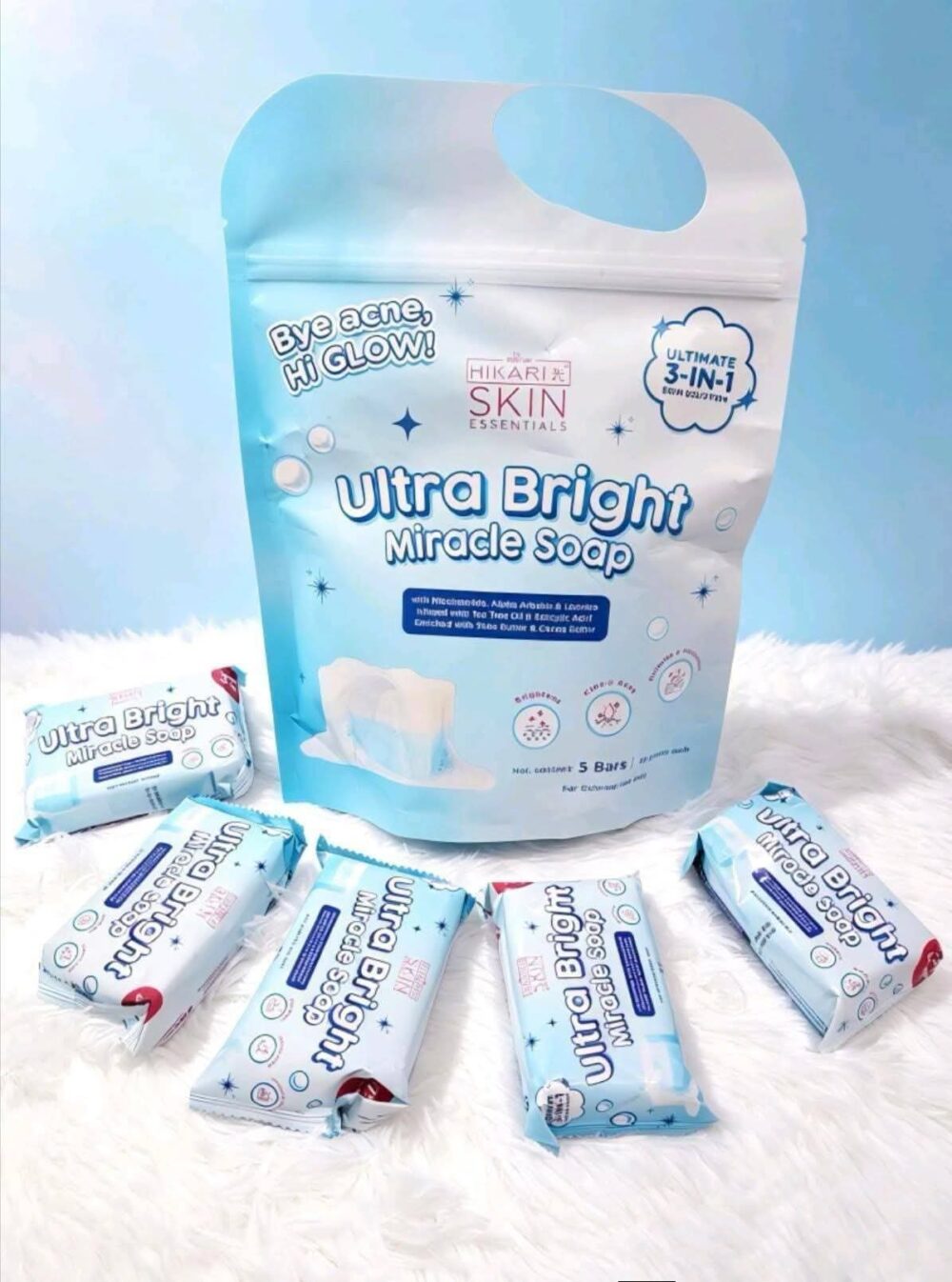
Start your routine with a thorough double cleanse. Start with an oil-based cleanser to dissolve makeup and impurities, followed by a gentle foaming cleanser to unclog pores. This not only preps your skin for better absorption of the products that follow but also allows for smoother application.

### 2. Exfoliation

Regular exfoliation is key to promoting cell turnover, ultimately helping to fade hyperpigmentation. Depending on your skin type, use either a chemical exfoliant (like AHAs or BHAs) or a gentle physical exfoliant 2-3 times a week. Be cautious not to over-exfoliate, as this can irritate the skin and worsen pigmentation.

### 3. Toner

Incorporate a hydrating toner into your routine. Look for toners containing ingredients like licorice root or niacinamide, which not only hydrate but also have soothing and brightening properties to help combat hyperpigmentation.

### 4. Serums

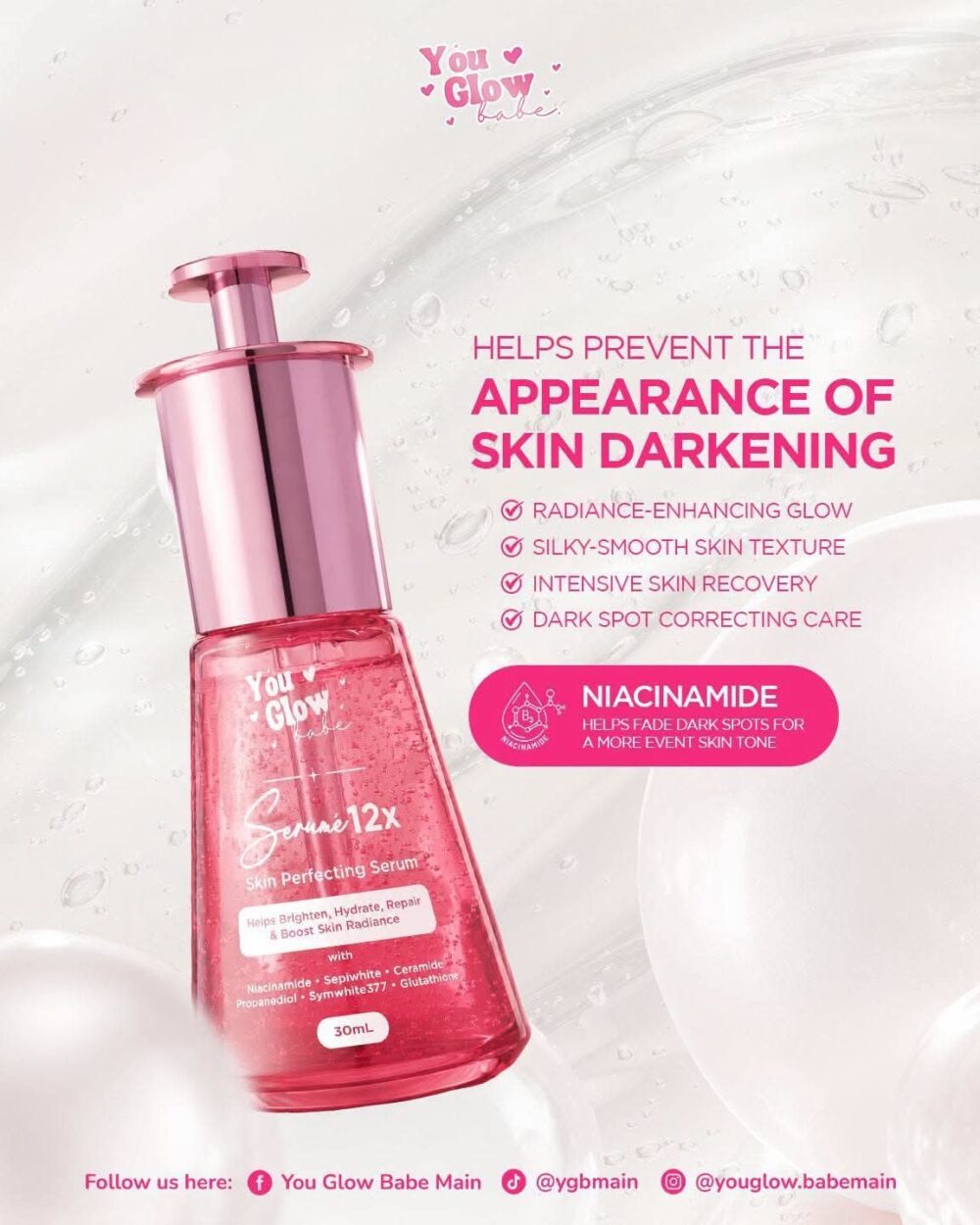
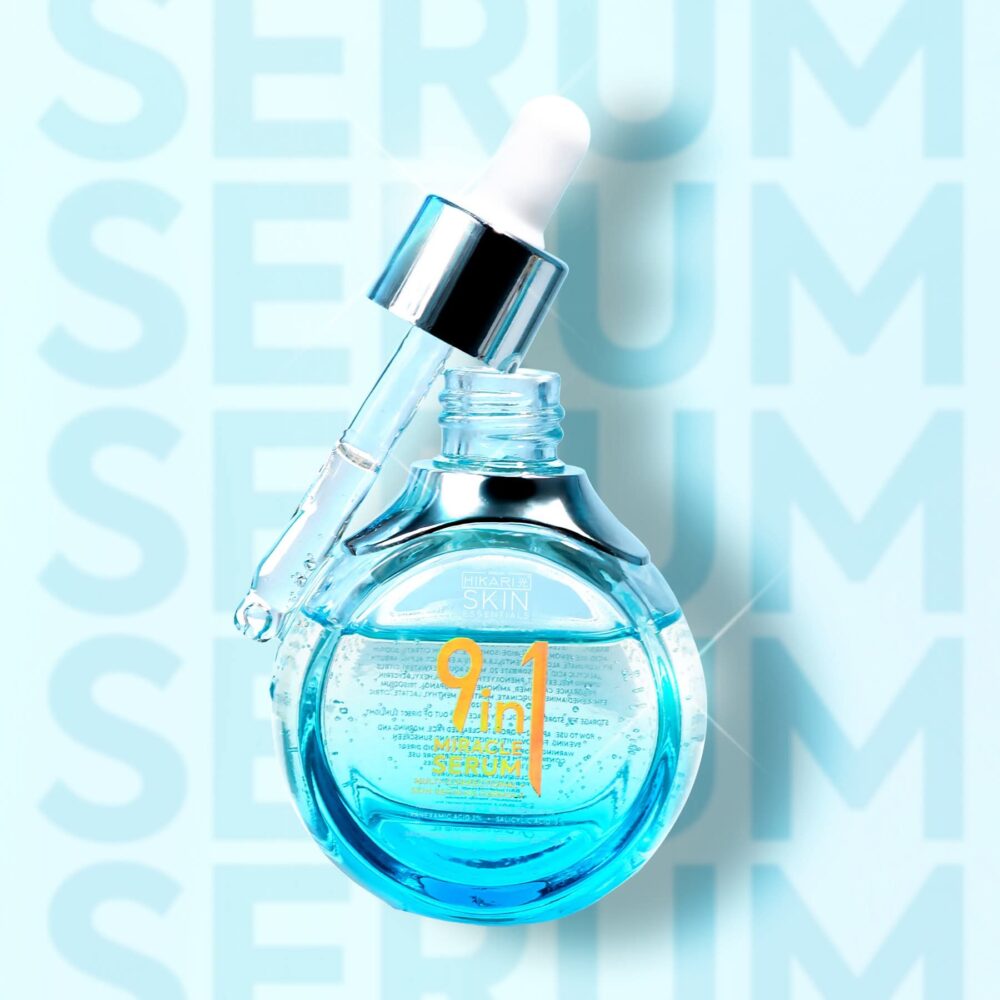
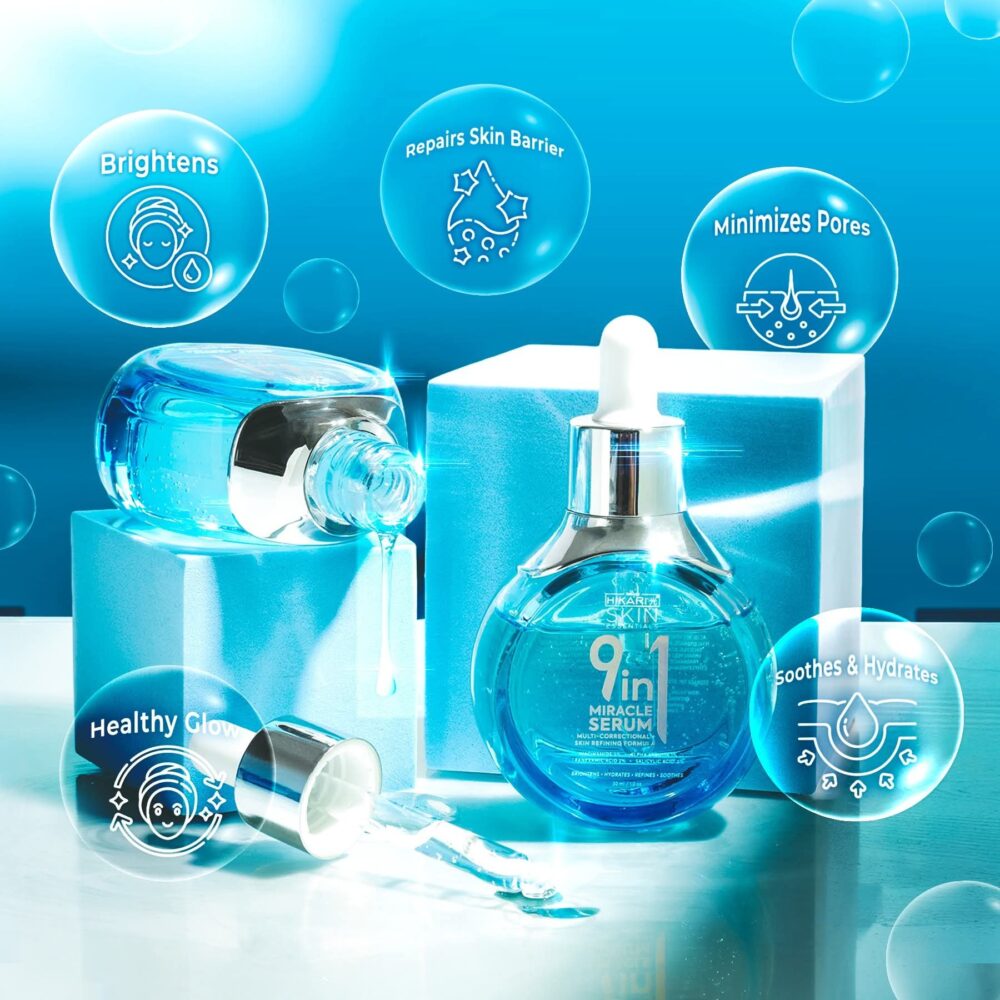
Serums are the heart of the glass skin regimen. Select serums that specifically target hyperpigmentation. Key ingredients to look out for include:

– **Vitamin C**: Known for its brightening properties, it helps inhibit melanin production and can improve skin texture.
– **Niacinamide**: This powerhouse ingredient is effective in reducing dark spots while improving skin barrier function and texture.
– **Alpha Arbutin**: A natural derivative of hydroquinone, this ingredient reduces the appearance of dark spots and evens out skin tone.

### 5. Moisturizer

A lightweight, hydrating moisturizer can help maintain your skin’s moisture barrier. Products containing hyaluronic acid or glycerin can provide the necessary hydration for that plump, glass-like appearance.

### 6. Sunscreen

The most crucial step in any skincare routine, especially if you’re dealing with hyperpigmentation, is sunscreen. A broad-spectrum SPF of at least 30 protects your skin from harmful UV rays that can exacerbate pigmentation issues. Use it daily, rain or shine, and reapply every two hours if exposed to direct sunlight.

### 7. Night Treatments

For tackling hyperpigmentation, consider incorporating specific night treatments into your routine. Retinoids or Bakuchiol can significantly improve cell turnover and fade dark spots. However, they should be introduced gradually to minimize irritation.

### 8. Professional Treatments

For persistent hyperpigmentation, over-the-counter products may not always suffice. Consult with a dermatologist for options like chemical peels, laser treatments, or microdermabrasion. These professional treatments can accelerate results and improve skin texture and tone.

## Lifestyle Modifications

Beyond a solid skincare routine, adopting healthy lifestyle habits can also aid in combating hyperpigmentation. Drink plenty of water, eat a balanced diet rich in antioxidants, and ensure you get adequate sleep to support skin health.

## Conclusion

Achieving the radiant glass skin look while managing hyperpigmentation is possible with the right approach and products tailored to your skin’s needs. Remember that patience is key; it may take time to see visible results. By focusing on a consistent skincare routine and making informed choices about your products, you can glow from within, turning hyperpigmentation into just a minor chapter in your skin’s journey toward perfection.

Leave a Reply

Your email address will not be published. Required fields are marked *