

No products added!




**Understanding Dark Spots: Causes, Prevention, and Treatment**
Dark spots, also known as hyperpigmentation, are a common skin concern affecting individuals of all ages, ethnicities, and skin types. These spots, which can appear on the face, hands, and other exposed areas, often lead to self-consciousness and a desire for clearer, more even-toned skin. In this article, we’ll explore the causes of dark spots, effective prevention strategies, and the best treatment options available.
### What Are Dark Spots?
Dark spots are areas of skin that become darker than the surrounding skin. They can vary in color, ranging from light brown to black, and vary in size from tiny freckles to large patches. These spots are primarily caused by an excess production of melanin, the pigment responsible for skin color. While dark spots are usually harmless, they can be a sign of deeper skin issues, necessitating awareness and sometimes professional guidance.
### Common Causes of Dark Spots
1. **Sun Exposure**: Prolonged exposure to ultraviolet (UV) rays from the sun is one of the leading causes of dark spots. UV rays trigger melanin production, resulting in sun spots or liver spots, particularly on areas that are frequently exposed to the sun, such as the face, hands, and shoulders.
2. **Aging**: As we age, our skin undergoes various changes, including an increase in uneven pigment distribution. This can lead to the development of dark spots, often referred to as age spots.
3. **Hormonal Changes**: Conditions such as pregnancy or the use of birth control pills can induce hormonal fluctuations that may lead to melasma, a form of hyperpigmentation characterized by brown patches, typically on the face.
4. **Post-Inflammatory Hyperpigmentation**: Skin trauma, such as acne, cuts, or burns, can cause the affected area to darken as the skin heals. This is known as post-inflammatory hyperpigmentation.
5. **Medications and Medical Conditions**: Certain medications, particularly those that increase sensitivity to sunlight, can contribute to the development of dark spots. Additionally, some medical conditions may affect skin pigmentation.
### Prevention Strategies
Preventing dark spots begins with protecting your skin from potential triggers. Here are some effective strategies:
1. **Sunscreen Use**: Apply a broad-spectrum sunscreen with an SPF of 30 or higher daily, even on cloudy days. Reapply every two hours, or more frequently if swimming or sweating.
2. **Protective Clothing**: Wear protective clothing, including hats and sunglasses, when outdoors to shield your skin from UV exposure.
3. **Avoid Tanning Beds**: The harmful UV rays from tanning beds can exacerbate the risk of developing dark spots.
4. **Healthy Lifestyle Choices**: A balanced diet rich in vitamins and antioxidants can help maintain skin health, while quitting smoking and limiting alcohol intake can improve overall skin appearance.
5. **Regular Skin Checks**: Keep an eye on your skin for new spots or changes to existing spots, and consult a dermatologist if you notice anything concerning.
### Treatment Options
If dark spots already exist and you’re looking for ways to reduce their appearance, several treatment options can help:
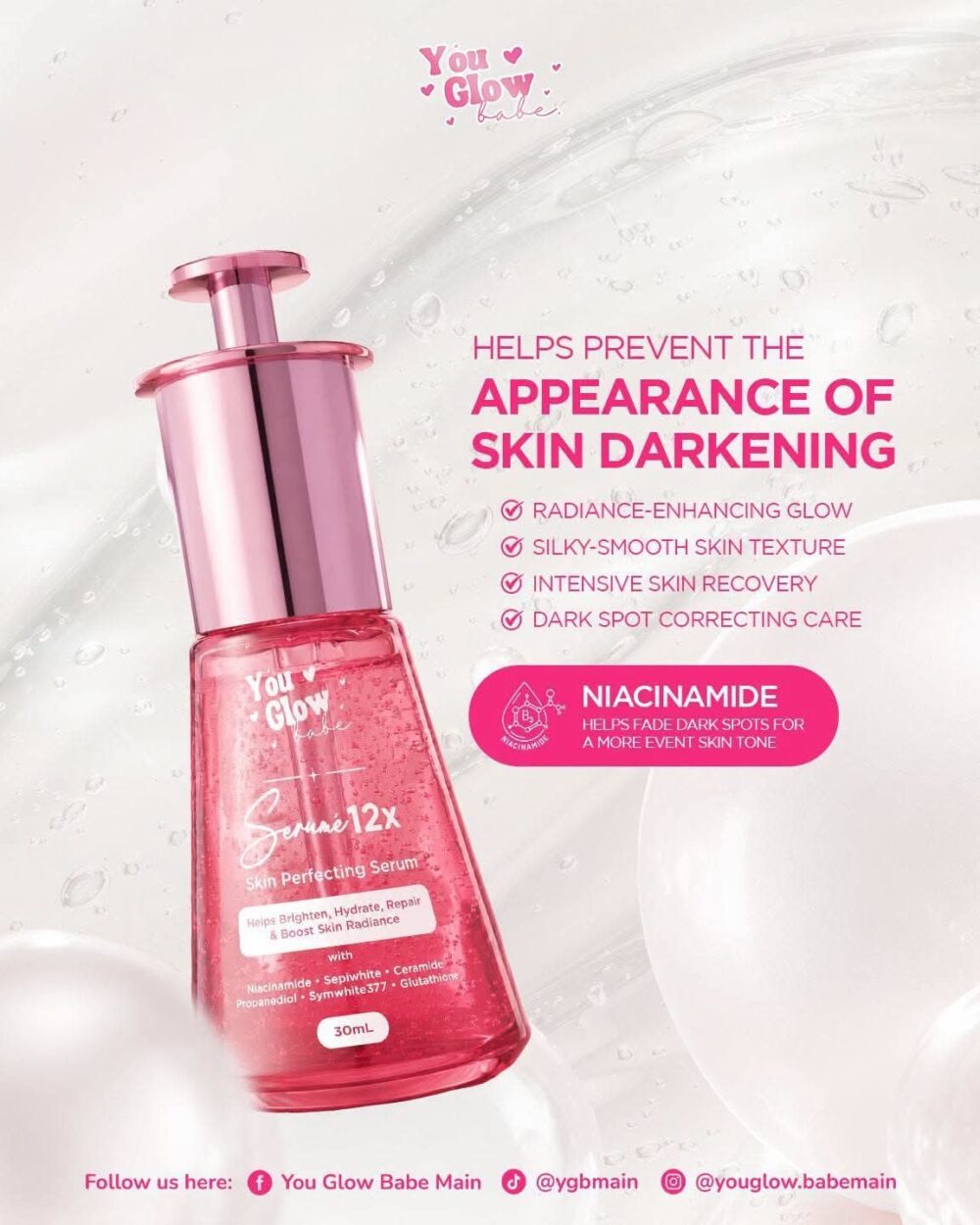
1. **Topical Treatments**: Over-the-counter products containing ingredients like hydroquinone, kojic acid, vitamin C, and retinoids are commonly used to lighten dark spots. These ingredients work by inhibiting melanin production and exfoliating the skin.
2. **Chemical Peels**: This professional treatment involves the application of a chemical solution to exfoliate the skin, promoting the growth of new, evenly pigmented skin.
3. **Laser Therapy**: Laser treatments target hyperpigmented areas, effectively breaking down excess melanin. This option is often sought by those looking for quick results.
4. **Microdermabrasion**: This is a non-invasive procedure that exfoliates the top layers of skin, helping to reduce the appearance of dark spots.
5. **Cryotherapy**: This treatment involves freezing the dark spots with liquid nitrogen, which can lead to lightening over time.
### Conclusion
Dark spots can be a source of frustration, but understanding their causes and knowing how to prevent and treat them can empower you to achieve clearer, healthier skin. Whether through diligent sun protection, lifestyle modifications, or professional treatments, there are numerous options to combat hyperpigmentation. If you’re uncertain about which method suits you best, consulting with a dermatologist can provide personalized recommendations tailored to your skin type and concerns. With the right care and attention, a radiant, even complexion is within reach.